Sports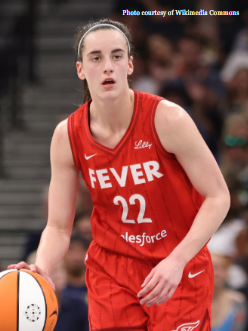
By Rory McNelley, Education and Enrichment Coordinator
March 2026 brought exciting news for the women of the Women’s National Basketball Association (WNBA) with a roughly 400% increase in compensation.
The WNBA’s seven-year collective bargaining agreement for 2026-2032 marks a historical financial shift. For teams, the previous salary cap has gone from $1.5 million in 2025 to $7 million in 2026. This means top players can now earn up to $1.4 million this upcoming season.
The new salaries average above $583,000 with minimum salaries ranging from $270,000 to $300,000. Previous minimums were around $66,000 according to Sports Illustrated. Top player Caitlin Clark of Indiana Fever is projected to receive $530,000 compared to last year’s $78,000.
The new model is expected to provide over $1 billion in wages to the women of the league and includes upgrades to housing, travel accommodations and retirement benefits.
Some have argued, however, that the women should be paid the same as the men’s league. During negotiations, the franchise noted that when the NBA was 30 years old, its collective bargaining agreement was similar to the one the WNBA signed.
Not only have the salaries increased, but the athletes now have a 20% stake in the revenue sharing of the league. This means they are not only rewarded for their performance, but the overall performance of the league. The 20% of gross revenue from the 2026 season will be shared among the players.
Additionally, the league previously required teams to employ an athletic trainer and a team physician. With the new deal, teams are now required to provide two athletic trainers, two team physicians, a strength and conditioning coach, a physical therapist, a massage therapist and a nutritionist. This reflects the athletes goals of not only increased compensation but increased care of the athlete’s overall health.
Another important upgrade for the athletes involves pregnancy and children. Players must now approve a trade during pregnancy due to the lawsuit by Dearica Hamby in 2022. Hamby sued the Las Vegas Aces and the franchise saying they traded her because of her pregnancy. While the case was dismissed, this added protection is a huge win for the athletes.
Additionally, dependent children aged 13 or younger are permitted to travel with the team.
The increase follows a period of high revenue growth and increased popularity among viewers. Shirts with sayings like “Everyone Watches Women’s Sports” worn among fans and “Pay Us What You Owe Us” worn as a warmup shirt at the WNBA 2025 All-Star game protested the low salaries and unfair revenue sharing by the league.
“WNBA players didn’t just negotiate better pay; they reset the expectation that women’s sports have to wait their turn for real investment. This deal challenges the entire franchise: sponsors, media partners, even other leagues, to catch up to the value that’s already there,” junior sports management major Tyler Hawatmeh said.
The 2024 season saw a 170% increase of viewership on ESPN platforms and over 54 million viewers. The 2025 season continued this trend with an average of 1.2 million viewers per game – the highest viewership numbers in 27 years. Merchandise sales rose 600% and game attendance rose 48%.
“It’s less about closing a gap and more about establishing a new market reality, one where players aren’t asking to be valued properly, they’re proving they can force it. This reflects real progress toward a more equitable relationship between ownership and the players,” Hawatmeh said.