Xavier Newswire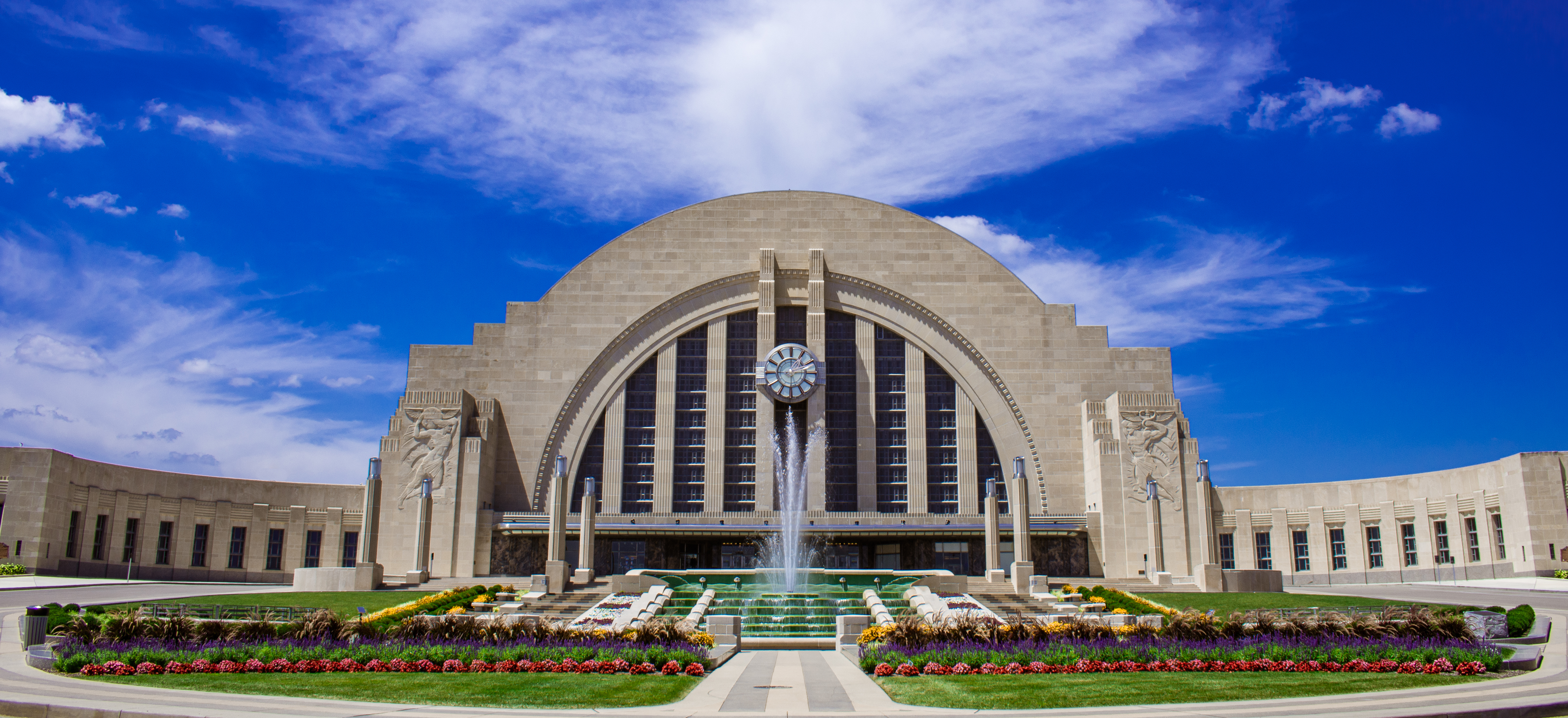
New regulations to the Native American Graves Protection and Repatriation Act affect local museums
By Jesse Dolojan, Education and Enrichment Coordinator
On Jan. 12, the Biden administration put regulations on museums across the U.S. preventing them from displaying or conducting research on Native American artifacts and remains until they gain consent from Indigenous tribes or their descendants who are connected to these objects.
The goal of these regulations is to ensure that tribes are able to retain remains, artifacts or cultural objects as soon as possible. Many U.S. museums will be affected by the regulations, including local museums like the Cincinnati Art Museum and Cincinnati Museum Center.

The regulations are being implemented after the 1990 Native American Graves Protection and Repatriation Act (NAGPRA) was updated. NAGPRA is a federal law which requires for the remains of Indigenous people to be identified and for the repatriation of skeletons, bones or cremations to their tribes.
The law was updated in December to require institutions or museums to obtain consent from tribes in order to display or conduct research on human remains and cultural items.
Xavier history professor Dr. Frank Rzeckowski, who specializes in Native American history and the history of the American West, was surprised at the updates to NAGPRA.
“I think that this executive order … is giving a little bit of a push, and there might be places where that push is needed. There might be other places where that push isn’t as necessary and things are being done the way they should be done,” Rzeckowski said.
He also stressed how important it is to recognize how harmful it is when people violate the graves of Native communities.
“It would be kind of like somebody digging up your great grandmother and taking the jewelry off of her, which she was buried with, and then putting it in a museum display case,” Rzeckowski said.
The Cincinnati Art Museum does not currently have any artifacts or remains related to Native American tribes and cultures on display. Darcy Schwass, the Cincinnati Art Museum’s director of marketing and communications, noted that the museum has previously taken “sacred or cultural Indigenous objects off view” proactively, even before the updated regulations went into effect.
The Cincinnati Art Museum issued a statement stating that they take their responsibility to work with tribal communities seriously and maintain a deep respect for their culture.
They plan to connect with Indigenous tribes in order to ensure that their voices are heard in the museum and to display the artifacts as respectfully as possible.
The Cincinnati Museum Center has also worked closely with various Indigenous communities and removed artifacts from display at their request. Those artifacts are in the process of being returned to tribes as well.
Rzeckowski believes that museums should inform people about their collaboration with Native communities and to stress that there are still Native Americans around.

“Most Native Americans even today don’t live on Indian reservations anymore. They live in the same places other Americans live because places like Chicago, places like Los Angeles, because that’s where the jobs are. That’s where the schools are. That’s where the social, economic and cultural opportunities are,” Rzeckowski said.
“And I think that’s part of recognizing Native Americans as people who are distinct from other Americans in a lot of ways, but you’re also part of American society,” he said.
Other museums across the U.S. are following similar protocols by removing artifacts from display and working with indigenous communities to return these artifacts to them.
Rzeckowski believes that museums can play a key role in teaching people about Native American culture and reminding them that they are still present throughout American society.
“I think there is actually a real need for places like this insane (Cincinnati) Museum Center to educate people in Ohio and Cincinnati about Native Americans. Because the blanket assumption is well, they’re gone,” he said.

 Local News