Opinions and Editorials Section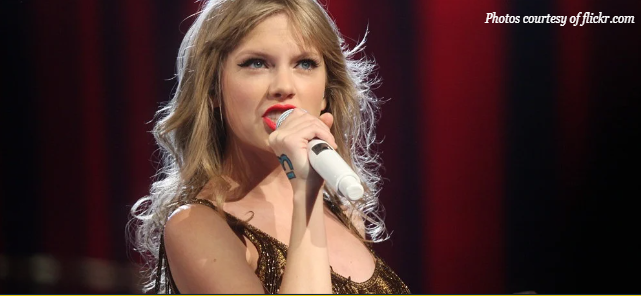
By Jackson Hare, Education & Enrichment Coordinator
With the 2024 presidential election on the horizon, Taylor Swift made headlines last week after endorsing Vice President Kamala Harris after the debate. While I applaud her decision to utilize her platform for good, fans have been quick to offer her undeserved praise.
I’m sure we are all somewhat tired of hearing that this election year has high stakes. However, Swift’s use of her massive following has been incredibly valuable in encouraging people to vote. While valuable, I would disagree that she has done something particularly remarkable.
As internet celebrity and activist Matt Bernstein pointed out, Swift’s political engagement has been rather limited or subtle in the past. This election, Donald Trump’s social media team forced her to speak out against him using A.I.-generated images of her as false endorsements.
It’s time we reevaluate how much praise we give Swift for her political involvement. Yes, she’s speaking out in a political climate that punishes many public figures for doing so, but Swift is not taking the same kind of risks that more marginalized groups face when they advocate for change.
She is a billionaire and a White, straight, cisgender woman who has built her platform in a world that already offers her a significant amount of privilege.
When she speaks, people listen. When she endorses a candidate, it makes headlines. In many ways, she embodies first-wave feminism — focused on the struggles of women like herself while still benefiting from the systems of privilege that exclude women of color, queer women and other marginalized groups.

Former President Donald Trump used AI-generated photos of Taylor Swift to benefit his campaign and make it appear as though she endorsed him.
Consider the fact that Trump’s team tried to use her to endorse himself. He didn’t do this only because she has a significant following. He did it because she’s a White woman who has an appeal to some of Trump’s supporters. I suspect A.I. generated images of a queer artist or artist of color endorsing Trump would have been far less effective.
Taylor Swift’s struggles, while real, are still ones cushioned by wealth, Whiteness and social acceptance. Her challenges in the music industry, though significant, are not comparable to those faced by women of color or queer women who must navigate racism and homophobia, in addition to sexism. Yet, her political involvement often seems to take up all the oxygen in the room, diverting attention from activists and advocates from underrepresented groups.
In fact, even the timing of her endorsement seemed to cast a shadow over Harris’ success in the debate. Without intending to, Swift’s endorsements and activism can overshadow the voices of those who need to be heard most.
I’m not suggesting that she should stop speaking out. However, as her audience, we need to stop giving her disproportionate credit. We should be listening to queer women, women of color and queer women of color who are doing the same — often more radical — work without the safety net of millions of dollars or legions of adoring fans.
It’s time to put Swift’s actions into perspective. Is it good that she’s speaking out? Absolutely. Is she brave for doing so? Not particularly. Courage in activism is found in those with something to lose, in those who face real backlash and marginalization for speaking their truth.
Let’s elevate the voices of women who aren’t being handed microphones and who don’t have millions of followers ready to amplify their every word. Let’s stop acting like Swift is at the forefront of radical change when she’s largely a benefactor of the status quo.