Xavier Newswire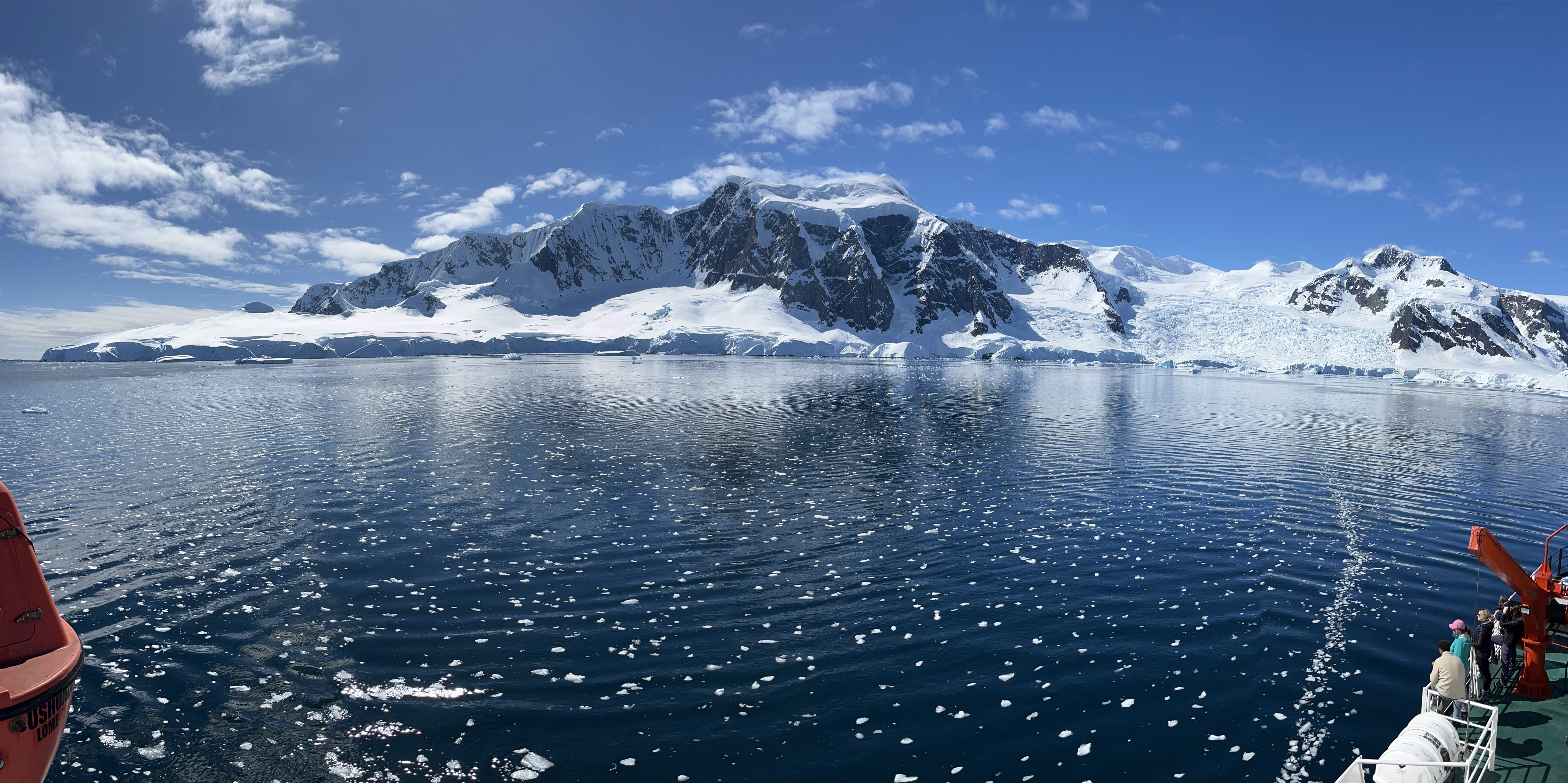
Xavier Professor Dr. Leon Chartrand leads inaugural Xavier Expedition to Antarctica
By Clare McKinley, Staff Writer
Over winter break, 14 students became the first Xavier group to travel to Antarctica, the newest destination of the Xavier Expedition Program.

Previously, the program offered opportunities to explore Yellowstone, Uganda, Namibia, Greenland, Iceland and more. They have now added Antarctica to the list.
Founder of Xavier Expeditions Dr. Leon Chartrand says that a lot of work went into making it possible. It’s not an easy place to get to but that’s the point.
“The Antarctic Treaty Alliance allows a limited amount of visitors to get there in terms of stepping on the continent… and you need a supportive university to trust that you are gonna get students there and back safely,” he said.
“But the goal is to take students to these hard to reach places that very few people go, or if they do it’s a trip of a lifetime” he continued.
Sophomore digital media major Quinn Healy went on the Yellowstone expedition but explained that it was vastly different from his experience in the Arctic.
“The biggest difference is, at least for Yellowstone, we were still in America and we still knew mostly where we were, but being in the middle of Antarctica it was unique. We had no connection to the outside world because we were on a boat in the middle of the ocean, no Wifi, nothing like that, just us on a boat with a few other people from around the world,” he said.
In order to get to the southernmost part of the globe, students first had to take a series of flights to Ushuaia and Argentina before they could set sail for Antarctica.
Sophomore advertising major Hallie Sands expressed gratitude for the ability to build friendships with the people she met along the way.
“I still talk to them. There were people from 26 different countries, and there were like 85 people on the boat including our group, so we got to talk with and build relationships, bond and create friendships with everybody in such a tight place and in such little time,” Sands said.
They traveled by boat for about two days through the Beagle Channel until they began crossing the Drake Passage, some of the most dangerous waters in the world.
Sophomore public relations and advertising double major Owen Gorsuch remembers how treacherous it seemed.
“It rocked us considerably. There are times when the ship would tilt six degrees one way and then six degrees the other direction. It was crazy. There were several times where people would go to sit down but then fall over because the ship rolled away,” he said.
After days at sea, one of the most memorable moments for Sands was when she was one of the first people to spot land after rocking around in the boat for so long.
“When we saw it, it was the first time we’d seen land in three days, and then there’s this really beautiful image in my head of like, all of the mountains that are just covered in snow and it looks cinematic. It didn’t look real. It looked like it came straight out of a movie,” she exclaimed.
Once they made it to land, they spent four days in Antarctica exploring the waters on Zodiac boats and learning about the wildlife. Sands vividly recalls some wildlife that she saw, her favorites being the dolphins.
“On our last day we saw dolphins on the way back and there were about 50 just around the boat. The day was so clear that you could see them under the crystal blue water and closely look at all their mannerisms because they were all swimming to keep up with the boat. So that was insane,” she recalled.
In addition to dolphins, they also saw seals, penguins, brown scuba birds and whales.
After returning to the U.S. and to fulfill core curriculum requirements, students were given assignments to help them put into practice what they experienced and learned about in Antarctica and how it connects to the bigger picture. Their assignment from Dr. Chartrand is to research a topic assigned to them ranging from Adelie penguins to Weddel seals, Orca killer whales, glaciers and more.
“For all these different topics, each student has to address statistics about biological behavior, like mortality or reproduction, or how they are dependent on the environment,” he explained. “They also have to address how climate change is directly or indirectly impacting their future. And then they have an ethical component as well where they ask, ‘What can each of these beings tell us about a vision for our future?’”

 Campus News