Xavier Newswire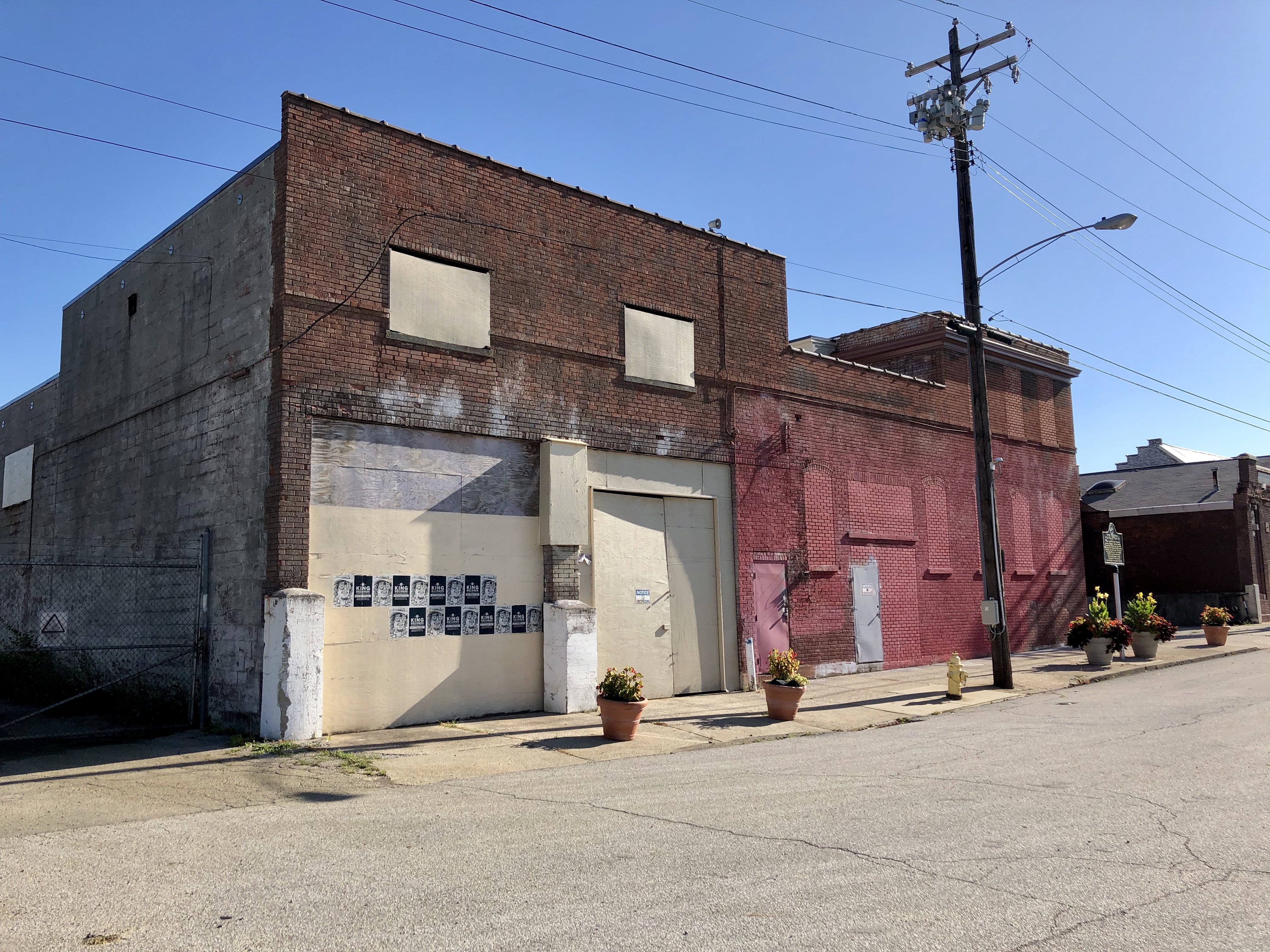
By Joseph Hammann, Staff Writer
Cincinnati City Council voted for the approval of $205,000 for expanding the predevelopment stages of renovating the King Records building on Brewster Avenue on March 27. The plan is to turn the area into a “newly preserved site with learning centers, museums, concert and performance venues, educational locations [and more],” according to Elliott Ruther, the secretary of King Records Legacy Foundation.
City Council approved the vote and collaborated with the King Records Legacy Foundation to use the funding to privately fundraise for construction costs, hire an executive director and create marketing campaigns. According to treasurer Steve Goodin, Kent Butts, the Foundation’s Legacy Chair, was chosen as the new executive director.
In the next year, the Foundation has committed to raise $150,000, and City Council and King Records Legacy Foundation are scheduled to meet again to raise $2 million in private pre-development funding, which includes a benefit concert this summer.
City council member Reggie Harris called the preservation project “long overdue” and a “funding strategy of the city.” An initiative in an initial city council meeting poised to give the foundation $410,000, but council members determined that more information was needed before allocating the funds.

Cincinnati City Council approved expanding the predevelopment stages of renovating the King Records building, which is located in Evanston, through $205,000 of funding.
King Records was one of the first racially integrated businesses in Cincinnati, and one of the first racially integrated record companies in the United States. Founded in 1943 by businessman Syd Nathan, the label was known for its recruitment of “hillbilly boogie” and country musicians from white Appalachian migrant and Black Great Migration migrant populations, uniquely fusing sounds of country and rhythm and blues music, contributing to the birth of rock and roll.
“What happened at King couldn’t have happened in New York or Los Angeles. Cincinnati always had one foot in the North, and one in the South, with access to Blacks of the industrial cities as well as the Appalachians,” Rock & Roll Hall of Fame Historian Robert Santelli said.
King Records was notable for being home to recording artists like James Brown, Lula Reed, Bootsy Collins, Vicki Anderson, Hank Ballard & the Midnighters, the Delmore Brothers, Dave Bartholomew and Merle Travis.

King Records had separate buildings for administrative offices, recording studios and pressing plants for the records. The close proximity allowed for songs to be recorded, mastered, mixed, pressed and released in shorter time frames. During its lifetime, 20% of the factory workers were Black. Many Black employees took up roles as managers, directors and members of the creative team.
In 2008, charity contributions helped with placing a historic marker in front of the Brewster Avenue location. Seven years later, the city of Cincinnati declared the location as a historic landmark.
The planned preservation project will allow for more people in the greater Cincinnati community to learn more about the King Records facilities and get to see more historical artifacts.

The King Records building, which first opened in 1943, was designated as a city historical landmark in 2015. Charity contributions helped place a historical marker in front of the site.
“It’s a really good thing for the community to get to know more about the Evanston community. As a faculty member, it is great to hear this kind of information. Who wouldn’t? It might not be clear yet, but I hope they make this a profitable decision by applying for new jobs and other ways of giving great potential to the community,” Christine Anderson, a retired Xavier professor who studied history of the Evanston area, said.
“If this preservation, which is open to the public, encourages people to come, it will draw more attention to Xavier students to get people to understand the company and get them to come and also make the community safer as a whole,” she said.

 Local News