Opinions and Editorials Section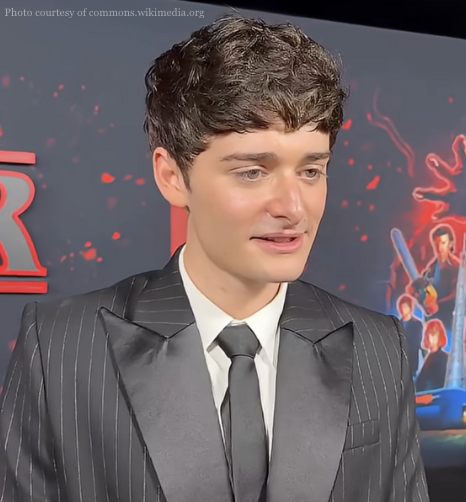
By Layla Tiell, Staff Writer
For a long time, queer characters in media have been able to accept themselves, but rarely find love.
While the representation has grown dramatically, this is the one storyline that movies and television shows just cannot seem to let go of. The “accept yourself instead of finding love” arc was once revolutionary, but now it is just a limit.
We have all seen the coming out montage or the emotional realization, both of which are great for showcasing natural human feelings. As we reach the ending, it is easy to guess the character will end up choosing themselves, accepting who they are but never going beyond that; the screen fades to black and the credits roll.
While it is important to recognize the journey of becoming comfortable with who you are, characters tend to flourish within themselves, but never find love outside of self-love.
This is not to dismiss being alone, but it would not kill the industry to entertain the thought of a queer character falling in love as well.

Staff writer Layla Tiell argues that the predictable character arc of queer characters is getting old.
To give a little bit of history, in 1930 a new code was introduced in the film industry, the Hays code. It was a set of guidelines to make sure queer characters were restricted. For so long, they were villainized or killed, meaning a happy romance was simply not an option.
We have undeniably come a long way, considering self-acceptance was once a reach and representation itself was rare. In acknowledging that progress, I am in no means trying to dismiss it but recognize that it should not stop there.
The issue with such a repetitive storyline is how predictable it gets. Most queer storylines consist of internal struggle, whereas a straight one is external and often includes romance.
When a queer character’s main obstacle is simply being queer, it reinforces the idea that being queer is inherently wrong or difficult. Something that is a part of a person’s core identity should not be portrayed as a problem they need to solve.
In a queer character’s storyline, romance often gets sidelined and becomes an extra benefit. For most straight characters, falling in love is an automatic subplot. This makes it feel like a queer character must earn the romance, or get none at all.
At some point it begins to feel like settling for, with “You may not get love, but hey, at least you like yourself.” The underlying message becomes abundantly clear: they may not get both self-love and romantic love.
A queer rom-com that is not just about coming out, but focuses more on a relationship is simple. A story is much needed where sexuality is incidental and not a major plot point, because queer people exist everywhere and it should not be hard to normalize that in the media. Stranger Things did a great job on this with the character Robin Buckley, showing her love life as a casual facet in a show but not the entire plot.
However, they then recycled her story, giving the same arc to the character Will Byers, as well as using the same exact name to refer to their first loves. It is in moments like this where representation begins to feel less like organic storytelling and more like a repeated formula.
When you repeatedly show these characters with no love interest, it gives the wrong idea that finding love is not possible. Queer people do not stop growing once they accept themselves. That is the beginning, not the climax.