Local News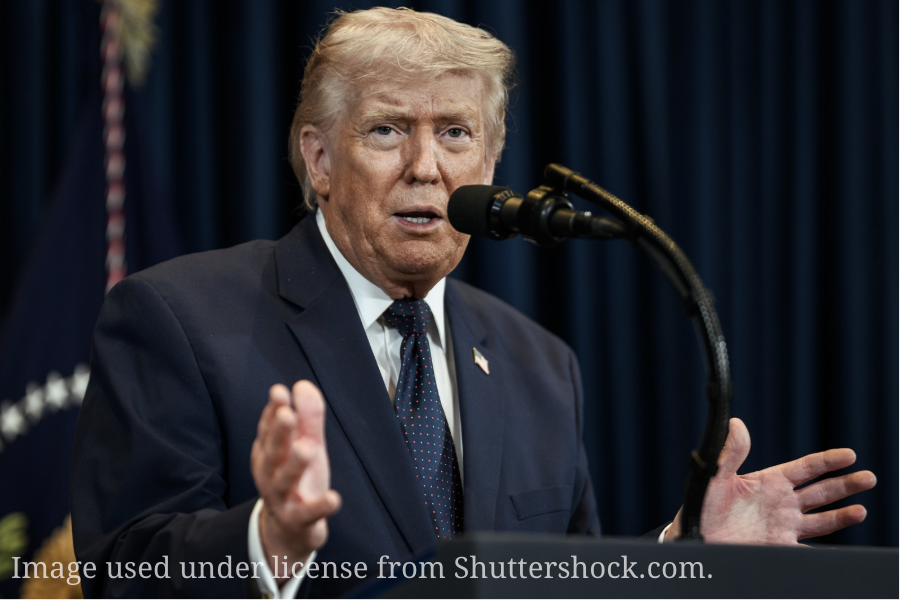
By Ben Jenkins, Podcast Manager
The U.S. war with Iran continues to persist even after a ceasefire was planned on June 19 through the Islamabad Memorandum. It was put together by Pakistan, Qatar, Saudi Arabia, Turkey and Egypt.
This agreement provided a 60-day timeline enforced upon the Iranian President Masoud Pezeshkian and President Donald Trump. These 60 days were used to settle security, economic and nuclear details between the two countries.
Another major point of tension that was made to be fixed during this time was the blockade of the Strait of Hormuz. The closure of the strait has been the main concern of many Americans due to its economic importance, but it is yet to be resolved.
Notably, the deal did not include any mention of a regime change amongst the Iranian government, likely a highly contested point in the negotiations.
Although the Islamabad Memorandum was signed, little has changed. The Strait of Hormuz remains a flashpoint; rhetoric on both sides has escalated, and the ceasefire has not been honored.

Economic concerns among American can be linked directly to the current state of conflict in Iran.
Regarding the strait, shipping levels have dropped nearly 80% from pre-war levels, which has caused a 30-40% increase in American gas prices.
President Trump stated that the strait was “an American territory” during a speech in New York City on Aug. 14. This comment, amongst many others, have led to very harsh retaliatory rhetoric coming from the Iranian president and other political figures.
Protests in the Iran capital, Tehran, displayed posters and signs with a bullseye over President Trump’s face along with many other anti-Trump and U.S. signs being seen.
President Pezeshkian of Iran stated that Trump’s signature was “worthless and invalid.” This comes as a response to the U.S. strike near Bushehr on July 9.
U.S. government officials claim this was retaliation, not initiation. All the details are not known by the public.
The U.S. military has suffered casualties during Iranian strikes on military bases in Middle Eastern ally countries.
First Lieutenant Tyler Feehan, a 25-year-old from Ewa Beach, Hawaii and Private Isabella Gonzales, a 19-year-old from Carrollton, Texas were killed during a drone strike on Muwaffaq Salti Air Base in Jordan.

President Trump has repeatedly told the press that the war in Iran was nearing its conclusion, but American citizens continue to wait for a true ceasefire.
Outside of these tragic deaths, there have been nearly 750 injuries to American soldiers, with almost half of them happening since July.
Nearly a year after a ceasefire was meant to end the war, the U.S. and Iran remain locked in the same standoff that started the war.
Control over the Strait of Hormuz, American disapproval of Iran’s nuclear programs and the U.S. backing of Israel’s war on Palestine continue to stop any form of peace agreement.
The Islamabad Memorandum was framed as a diplomatic breakthrough between the two nations and has held very little weight in the decisions of both governments.
With President Trump and U.S. officials continuing to threaten further sanctions against Iran and Iranian leadership not showing any signs of backing down, this war could continue to drag on.