Opinions and Editorials Section
By Patrick Rupinen, Staff Writer
2026 has been one of the deadliest years for fire fatalities in the United States Wildland Fire Service (USWFS). This year, four firefighters have been killed by fire entrapments.
Firefighters are overstretched, increasingly so, as climate change has driven a surge in number and strength of the fires. Federal funding cuts under the direction of the Department of Government Efficiency (DOGE) has put even more strain on the wildfire service.
Wildland firefighting is thankless with low pay, few benefits and lots of manual labor in terrible conditions. Until recently, the government had not even required firefighters to wear masks, rejecting calls to provide protection until the public pushed them to change their policies.
It is not hard to see why the government struggles to recruit new wildland firefighters. The aforementioned lack of incentives combined with a high risk of cancer does not make the job very attractive.
Beyond the fact that there are not enough firefighters, DOGE cuts have weakened the support structures that help them fight fires. With vacancies in management roles unable to be filled because of DOGE cuts, there is a lack of communication and organizational capacity in the USWFS.

Staff Writer Patrick Rupinen describes why it is that the U.S. Wildland Fire Service must be protected from budget cuts
With all these issues, it is not hard to see how disaster was waiting to strike, and strike it did.
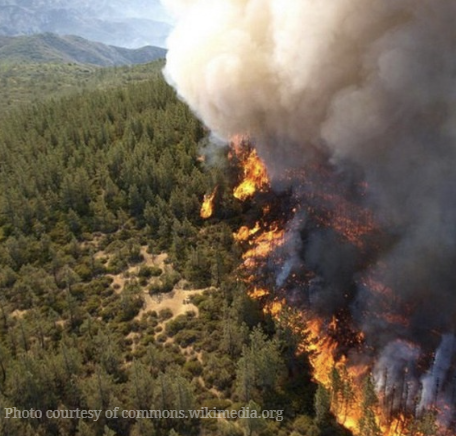
On June 27, four wildland firefighters with the Rifle Helitack crew were killed when they became entrapped by fire while trying to suppress the Knowles fire in western Colorado.
After deploying their fire shelters, the fire overtook their position. Three were killed outright with a fourth firefighter passing away from injuries weeks later.
The official report cites staffing vacancies, poor communication and the overloading of fire personnel with tasks as the reasons behind the disaster.
The dispatch center for the area of the fire had technological problems and years of preexisting staffing vacancies.
The Trump administration did not kill these firefighters, but pouring gasoline next to a group of people having a match-throwing competition does not make you innocent either.
However, there is hope. The new congress set to be sworn in this coming January will be able to return funding not just to pre-Trump administration levels but increased to help the growing threat of wildfires. Representative-elect Sam Forstag (D-Mont.) will hopefully have this at the forefront of his mind as he enters the house in his freshman term.
Sam Forstag is the first smoke jumper to become a representative. A smoke jumper is a wildland firefighter who jumps from planes to fight wildfires. He watched as the Trump administration cut funding to the program and made the lives of his co-workers harder. He decided to run for Congress to reverse the cuts made by the federal government.
The cuts to the U.S. Forest Service and the U.S. Wildfire Service have only made the problems facing wildlands firefighters worse. Without changes, we will see the number of deaths and injuries rise among wildland firefighters who are on the frontlines protecting our communities.