 Xavier Newswire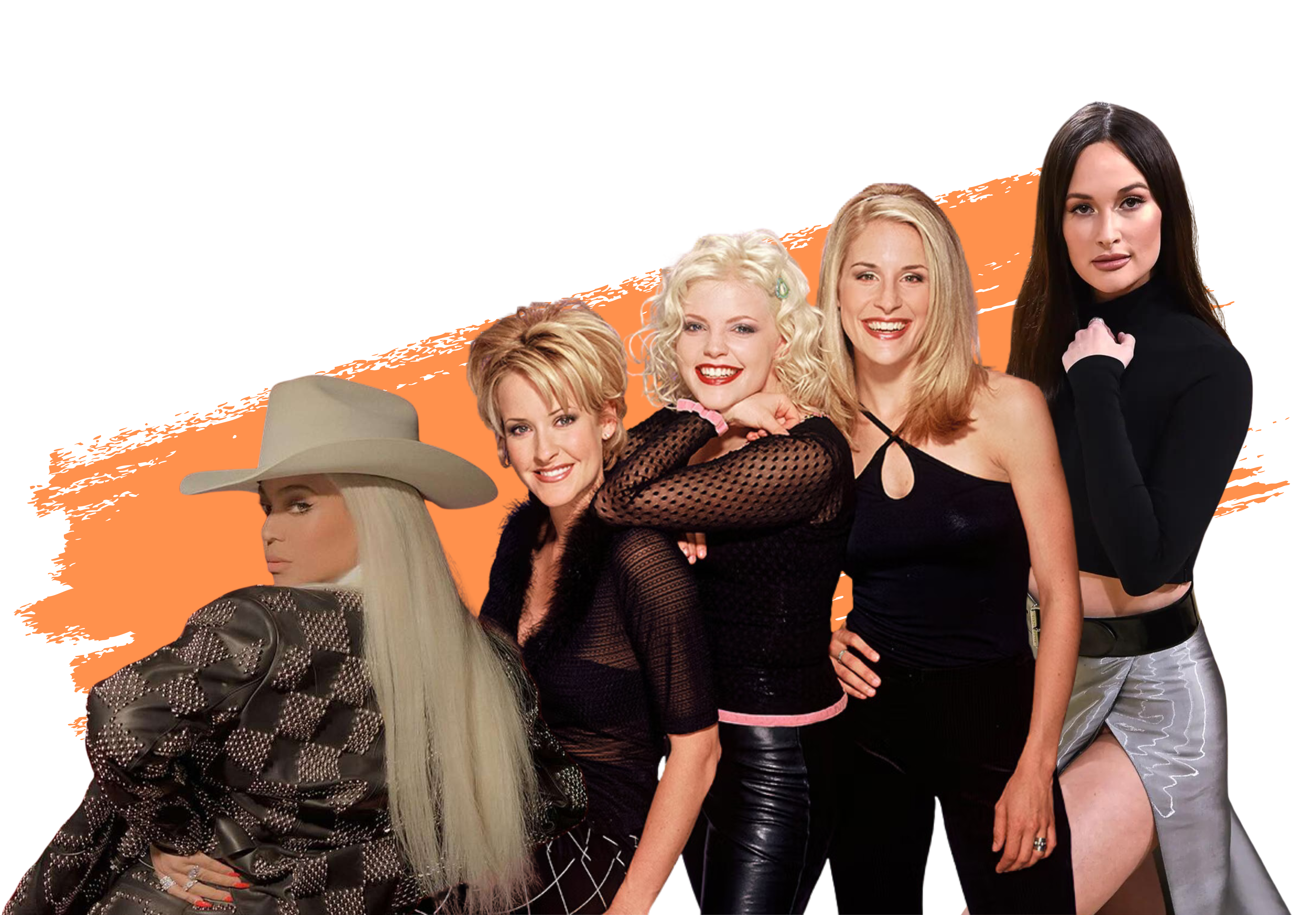
By Kayla Ross, Back Page Editor
Circa 2012, country music died. It entered an era of extreme unoriginality that my father, a lifetime die-hard country music fan, began calling “beer truck truck.” Although we’ve been in a dark period of country music for more than 10 years now, the genre as it was originally intended is rising from the dead. Or rather, “beer truck truck” is about to die a suffocating death.
During the Superbowl, Beyoncé released two new country singles with great success. Queen B previously wore cowboy hats to the Grammys, to several RENAISSANCE tour performances and in several Instagram videos and photos. Beyond the obvious recent clues in her styling choices, RENAISSANCE was always noted as Act I by Beyoncé. Not to mention that in the album art for RENAISSANCE, Beyoncé poses atop an illuminated horse. So, to fans, country was no surprise.
She became the first Black woman to ever land at the top of Apple Music Country charts. Even though one of her new singles, “TEXAS HOLD ‘EM,” reached immediate streaming popularity on all music streaming platforms and TikTok, the release of the single from Columbia Records to country music radio stations was met with hesitation.

One Oklahoma radio station particularly refused to play both “TEXAS HOLD ‘EM” and “16 CARRIAGES,” claiming that these singles were not country music. They quickly reversed the decision after thousands of complaints to the radio station.
This is not the only time Beyoncé has been met with similar exclusive attitudes towards her more country-leaning music. In 2016 with the release of the album Lemonade, the song “Daddy Lessons” was released to country music radio stations and received some airtime, although the song was firmly rejected by the Recording Academy for consideration of a Grammy in country music categories for the 2016 award show.
The incident with the Oklahoma country radio station is the second country radio incident to make news this year and is just another sign of the country world’s rigidity to change.
About a month ago, Tyler Childers entered the top 50 charts for country radio with his song, “In Your Love,” which came with its own controversy in the country music atmosphere due to the music video featuring a queer couple.
Fellow country singer Zach Bryan took to X to congratulate Childers, saying, “Imagine being radio (whoever the hell that is), hearing ‘Shake the Frost’ and being like ‘no no let’s go with the Applebees song.’” This led to a few tweets back and forth between Bryan and “Fancy Like” singer Walker Hayes, whom Bryan’s tweet was referencing. Following the X (formerly Twitter) battle between Bryan and Hayes, Hayes ultimately posted a diss track song clip to Instagram.
Even beyond Beyoncé, country stations nationwide have continuously let the girls down, even those who have always been part of the genre.
After Kacey Musgraves received the Grammy for “Album of the Year” for her album Golden Hour in 2019, Musgraves was continuously asked why the country music radio stations wouldn’t circulate her music. Her answer? “A program director got really mad at me because I wasn’t paying enough attention to him, so he canceled a radio dinner I was supposed to have.”
Country music radio has always censored artists that did not fit the typical mould. This is no new phenomenon, and female artists in particular have notably had to work twice as hard for their work within the genre.
In 1999, The Chicks’ song, “Goodbye Earl,” was removed from country radio in extreme bans, some being statewide, amongst claims that the song would incite violence from women in unhappy marriages. That was the whole point. Their music, along with music from singers like Shania Twain and Jo Dee Messina, explores female independence, empowerment and sexuality in a way that had rarely been popularized within the country music genre. The late 1990s new wave of female empowerment through country music was revolutionary.
It’s clear that most of the current music being played on country music radio is absolutely horrible. But, the women of country music have always persisted. Its roots are in strong women who pioneered the genre, women like Patsy Cline and Linda Martell. Country music radio, whoever the hell that is, can continue to attempt to silence women and the progress of the genre. Real country music fans will always know that country music is truly an outlet for women to make headway.


 Arts and Entertainment

