Opinions and Editorials Section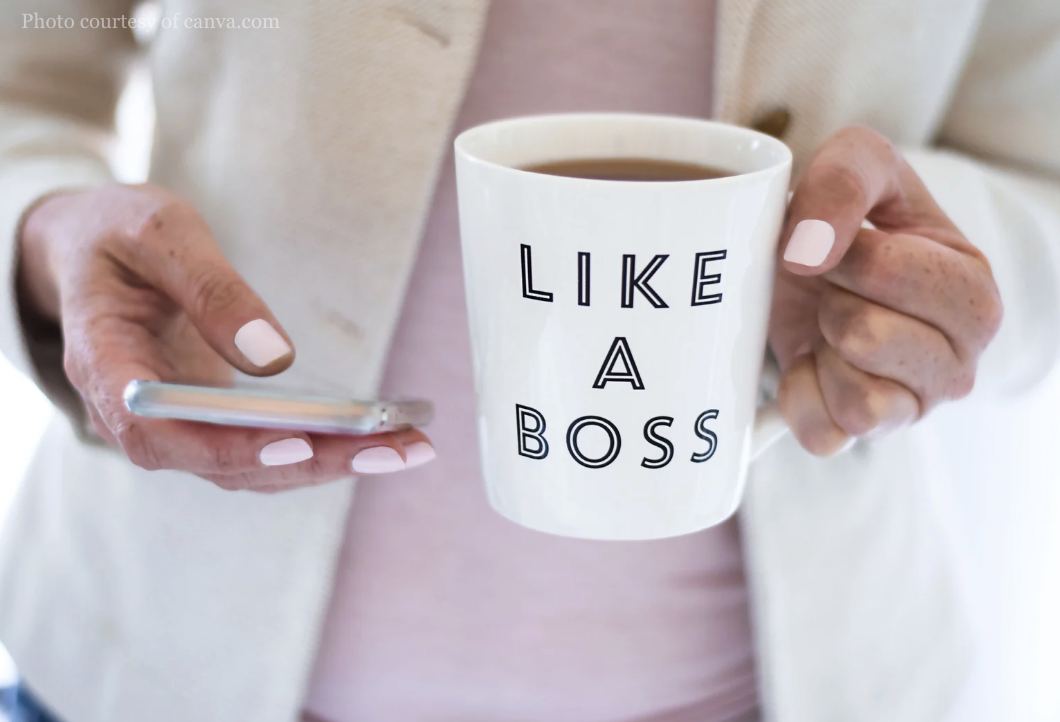
By Audrey Elwood, Campus News Editor & Columnist
Sophia Amoruso’s book, “#Girlboss,” was on almost every millennial’s coffee table, and was so popular it was turned into a mini series with Stanley Tucci. She was one of the first vintage resellers to turn to the internet. After that, she started her clothing brand Nasty Gal, and became synonymous with the rise of the “girlboss.”
With the domination of tech bro culture, college-educated, corporate women were often seen more as an afterthought. The Girlboss brands like NastyGal were marketed as a replacement of bro culture, but just sparked the same problem. However, this time the toxic culture had motivational quotes and a pink logo.
Now, girlboss has been reduced to a kitschy phrase that is used in multi-level marketing to recruit, more than a term used in corporate. In addition, Amurso was outed for horrible working conditions and overall being awful to work for.
Many of the girlboss brands fell to this same fate: Glossier, Djerf Avenue and Refinery29 being among the most prominent. These brands catered to a feminist aesthetic that was ultimately whitewashed. One former Refinery29 employee cited “that white women’s egos ruled” in these settings.
Alongside the pandemic, the messaging became almost reductive. Feminism and women were merely marketing gimmicks that did not deliver in the slightest. The brands did not embody any inklings of the first and second waves of feminism, but instead opted for a feminism for capitalism. This blew up in their faces, and effectively destroyed their companies.

The girl boss era just rebranded a toxic work environment.
Alongside the companies themselves, there was a branding many individuals tried to capitalize on the girlboss trend. Notably, the Kardashians, specifically Kylie Jenner were guilty of this. Jenner was pitched as a self-made billionaire (not true in the slightest), and the first Gen Z girlboss. She could in fact have it all as she had a child at 19, and also had time to run the massively successful Kylie Cosmetics. The chokehold those lip kits had on society will forever go down in the history books.
This is the natural progression, especially as we see the cultural pendulum swing back to more of a traditional and less-feminist aesthetic. One of the brands that does this particularly well is the Alex-Cooper-multiverse. She has a female-focused brand without falling into the trap of her whole brand just being the fact that she is a successful woman.
Ultimately, while there might have been good intentions, the girlboss era failed due to the fact that they just were not that different than the status quo. Repackaging the same toxic culture did not stop the pitfalls from seeping through. When your whole brand is being a successful woman, naturally, the brand will die if women are actively mistreated or put down. Now, many brands try to distance themselves from the girlboss aesthetic, and go for a more feminine aesthetic, without being too preachy. The influencer brand has replaced the girlboss, for better or worse.