 Opinions and Editorials Section
By Audrey Elwood, Chief Columnist
Xavier’s bond rating was just downgraded by Fitch from an A- to a BBB+, which will make it harder for Xavier to raise more funds for upcoming projects.
A bond is simply a method of fundraising through debt. Consider it a fancy loan. Xavier is taking on some large-scale projects, such as the medical school and the purchasing of University Station, and with this they need more funding.
Xavier has had some problems with cash flow and running a deficit in the last few years, coinciding with the demographic cliff higher education institutions are facing.
Bond ratings are a guide for investors on how stable bonds are. Anything below a BBB- is considered a “junk bond” or not a safe investment. The lower the bond rating, the more risk investors take on and the higher interest they’ll demand.
This is not the first time Xavier’s bond rate has been downgraded. In 2024 two of the top two bond-rating agencies, Moody’s and Fitch, downgraded Xavier. Fitch, the most relevant bond rating agency here, downgraded them from an A to an A-.
The new classifications from these agencies largely cite the new debt risk of the College of Osteopathic Medicine, falling enrollment and the consistent deficit. The 2024 downgrade noted that there had been a 21% drop in enrollment from 2019 to 2024. In 2026, they reaffirmed this stating “undergraduate demand metrics remain very weak.”
Before the alarm bells are sounded, and the transfer applications go out, this really is not the end of the world. Once the College of Osteopathic Medicine is operational, Xavier will start making money. This will mark the transition from an abstract investment into a money-making enterprise.
There are around 32,000 seats in medical schools each year in the U.S. and 75,000 applications. It is almost guaranteed that the Xavier College of Osteopathic Medicine will fill all its seats.
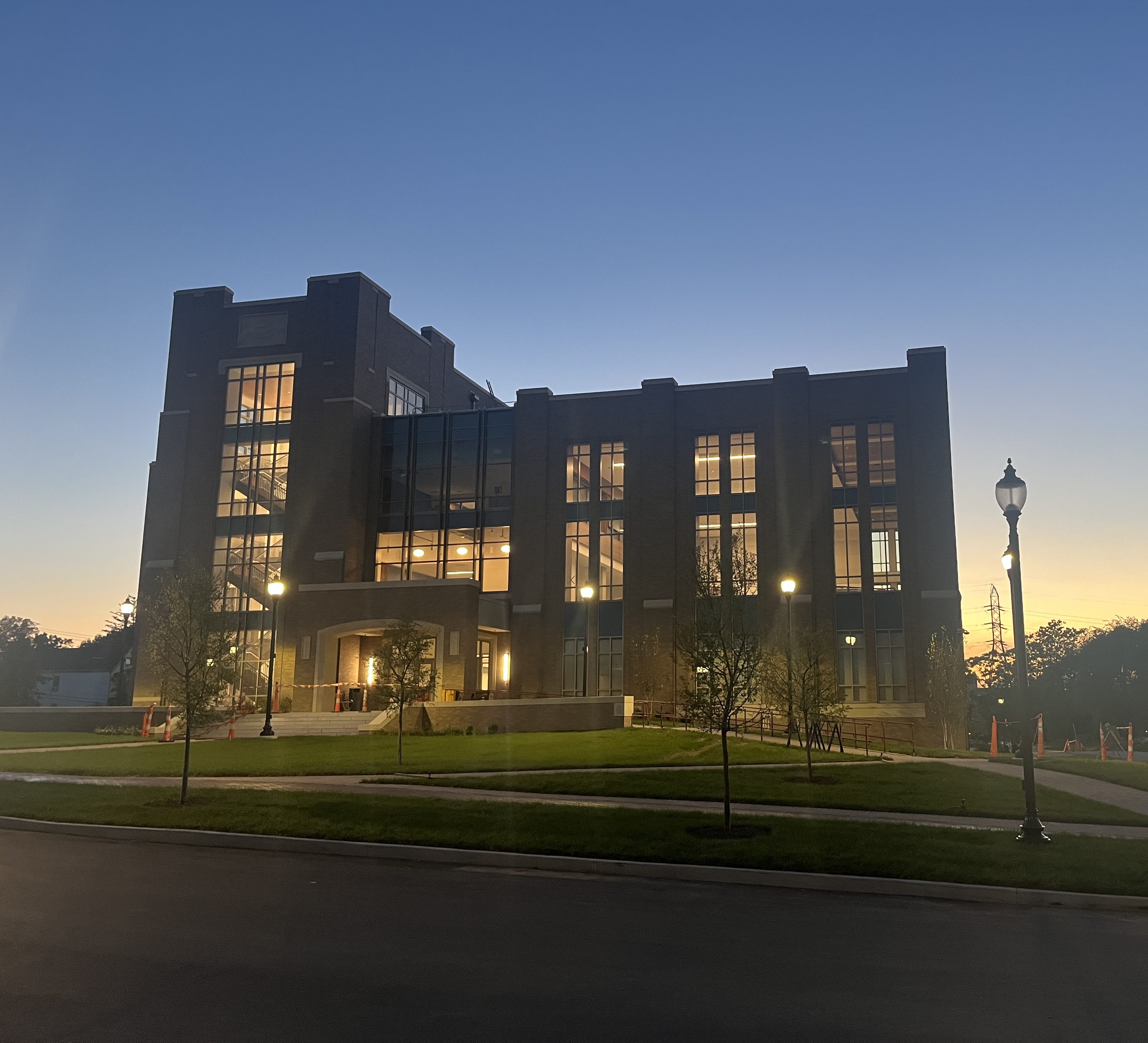
Chief Columnist Audrey Elwood deconstructs what the new bond rating for Xavier University means, and how the University is approaching its investments like the College of Osteopathic Medicine
Graduate schools are often more profitable than their undergraduate counterparts because they demand lower overhead and pay higher tuition on average. The estimated cost of attendance for the first year of medical school at Xavier is $100,529, for one year.
That is more than a large portion of undergrads will pay in their whole four years and then multiply that by 90 students in each class.
When it does come to the undergraduate side, this has been a long time coming. Pretty much every small school, especially ones that are religious, have struggled in one way or another.
After the 2008 recession, people stopped having kids, and birth rates never really picked back up. Now those kids are adults and choosing in large droves not to go to college. This is unavoidable.
This bond rating switch is not a sign Xavier is going out of business; it is a sign of rebranding. To survive in this landscape, Xavier needs to pivot to more of a graduate school approach, especially highly demanded graduate programs like a medical school.
The bond rating being downgraded is just the rain before the flowers. As long as the trend does not continue after the osteopathic college is functioning, Xavier will be fine when it comes to financing.
The bond rating does not affect the validity or credibility of your degree. Employers are more focused on the quality of your degree, not the quantity of your university’s bank account.


