Opinions and Editorials Section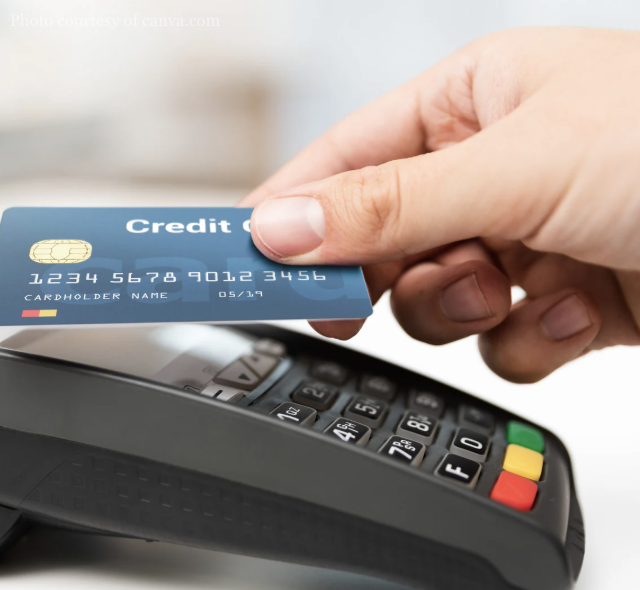
By Audrey Elwood, Campus News Editor
It is official: The U.S. is in a debt crisis. The buy now, pay later (BNPL) scheme has seeped its way into our everyday lives.
On paper, BNPL sounds awesome. In practice, it is financial suicide. Now people can BNPL on everything, with “no consequences.” This will be Gen-Z’s 2008, but instead of a house, it is Chipotle and Starbucks.
BNPL is used by splitting one purchase into a payment plan. For big purchases, this makes sense. I mean we have been doing this with cars and houses for decades.

Klarna and Affirm are introducing new BNPL programs which can be misleading to financially unsavvy consumers.
Now, industry giants like Klarna and Affirm have made this a choice on almost every online purchase. Recently, Klarna started to allow purchases on Doordash, which made the financing a burrito meme, according to Klarna.
In line with this trend, U.S. Bank has introduced the Split card, which automatically splits every purchase into three month payments. For an additional 1.5% interest, the cardholder can break up purchases over 100 dollars into six month or 12 month payment increments.
If used responsibly, the card can help break down big purchases into smaller ones or make the unaffordable become affordable. But to no one’s surprise, it usually does not happen this way. 41% of BNPL users are late on a payment according to lendingtree. The average high interest debt held by Americans, over 20%, is around $7,000. As a nation, this is wholly unsustainable.
The psychology of BNPL is what makes it borderline addictive. By breaking up these purchases into bite size pieces, it convinces the buyer that they can afford it. Imagine you want to go to a music festival and it is $1,000 a ticket. This is wholly unaffordable to the average college student. With BNPL, you could break that up over 12 months for a small fee of $50 dollars, and monthly it would only cost you $87.50.
While you could make the argument that no one is stupid enough to think that all of a sudden, paying $50 more makes something affordable, that is just not true, 60% of week one Coachella goers financed their tickets, according to People.
This card is not intended for the financially savvy – it targets people who are uneducated and who U.S. Bank can make a quick buck off of. The whole credit card industry is predatory, but the Split card takes it to a whole new level. If you miss a payment, you are still paying sky-high interest on your card.
If the cardholder maxes out their card, they are now effectively maxed out for three months. They not only have to worry about the month prior, but also the next month’s large payment.
People are truly not aware of the amount of debt they are in until it is too late. With consumer sentiment at the second lowest it has been since the Great Depression according to The Guardian, people are struggling to afford the basic necessities.
Once people start using a BNPL, it is nearly impossible to get out. The consumer ends up in a constant cycle of high risk debt. With BNPLs like Klarna or Affirm, making payments on time does not help build a credit score, but they will send your Chipotle debt to collections, hurting your score. However, the Split card acts like a credit card, so it will help a credit score if used correctly.
The best act of resistance is lack of participation in systems that are designed to hurt the consumer. This is the time to stop buying, to stop participating.
Go to the thrift store, use all your groceries before buying new and most of all, look out for your neighbor. There is a debt problem in this country and companies like U.S. Bank are trying to find new ways to exploit the consumer everyday. Do not let it be you.
For the love of everything holy, please do not get the split card, please do not finance your drinks at the bar, because we all will pay for it eventually.